
Unidice
Unity, Diversity and Identity in Central Europe
UNIDICE – Voices of Central Europe Erasmus+ Cooperation Project explores how unity, diversity, and identity have shaped Central Europe across history. Through workshops, research, videos, publications, and a 9-module online course, the project connects scholars, students, and wider audiences in a shared conversation about the region’s past, present, and future. The project builds on the findings of the "RECALL: A Study of Central European Places of Memory for Collective Remembrance (2023-2025)" Erasmus+ Cooperation Project.
"The history of the Poles, the Czechs, the Slovaks, the Hungarians has been turbulent and fragmented. Their traditions of statehood have been weaker and less continuous than those of the larger European nations. Boxed in by the Germans on one side and the Russians on the other, the nations of Central Europe have used up their strength in the struggle to survive and to preserve their languages. Since they have never been entirely integrated into the consciousness of Europe, they have remained the least known and the most fragile part of the West - hidden, even further, by the curtain of their strange and scarcely accessible languages."
Milan Kundera
The Tragedy of Central Europe, 1984
Objectives
1
Historical Awareness
Promote a deeper understanding of Central European identity through historical research, expert workshops, and public discussion.
2
Academic Cooperation
Bring together scholars, students, and universities to create a shared European perspective on the region’s past and present.
3
Innovative Learning
Develop open educational materials, including videos, e-learning tasks, academic publications, and a 9-module online course.
4
Youth Participation
Support the involvement of students and young researchers in international academic dialogue.
The Pillars of the Project
Workshops & Professors’ Hub
Organises 27 workshops across three countries, combining expert seminars, public roundtables, working papers, and academic networking.
Academic Volume
Produces an English-language peer-reviewed volume with 9 chapters.
Course
Develops a 9-module online course with expert videos, learning materials, e-learning tasks, and student testing.
Topics
Topic 1
Where Does Central Europe Begin?
Conceptual history and geopolitics: shifting meanings, borders, and narratives of “Central Europe”
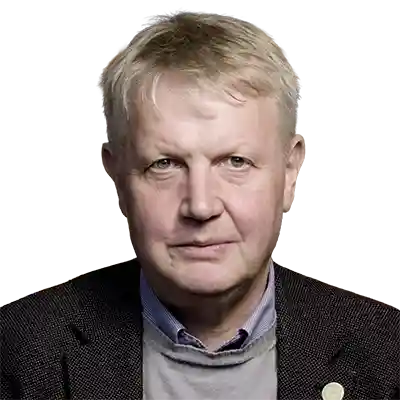
Martin Wihoda
Professor, Institute of History, Masaryk University, Brno, Czechia
Topic 2
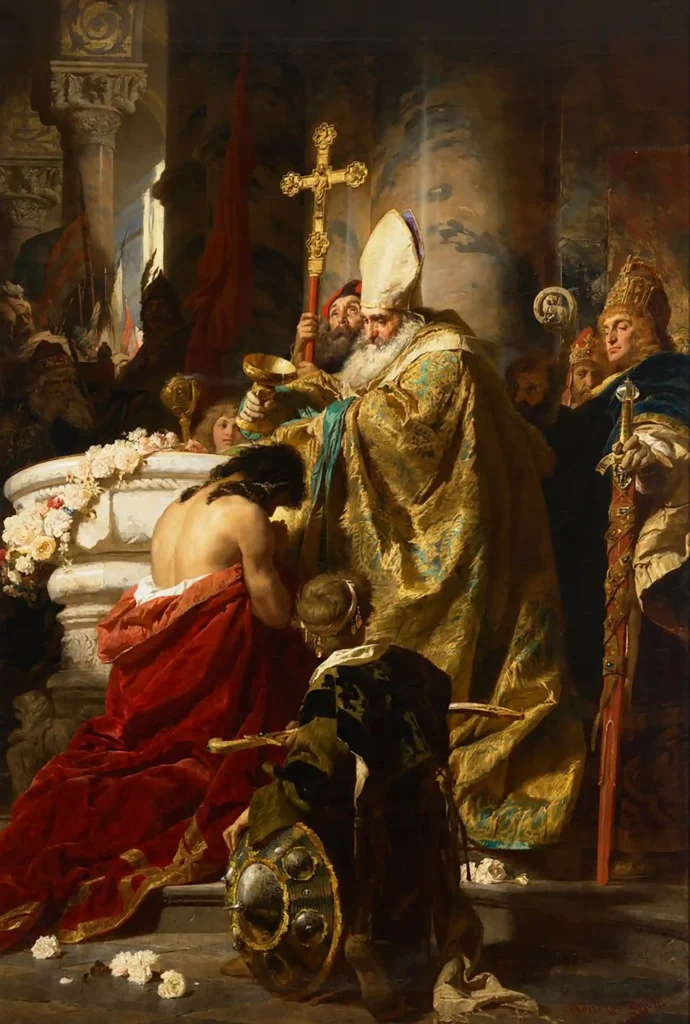
From Baptism to Statecraft
Church–state relations, Christianisation, ecclesiastical structures
Dániel Bagi
Professor, Head of Department of Eastern and Central European History and Historical Russistics, ELTE, Budapest, Hungary
Topic 3
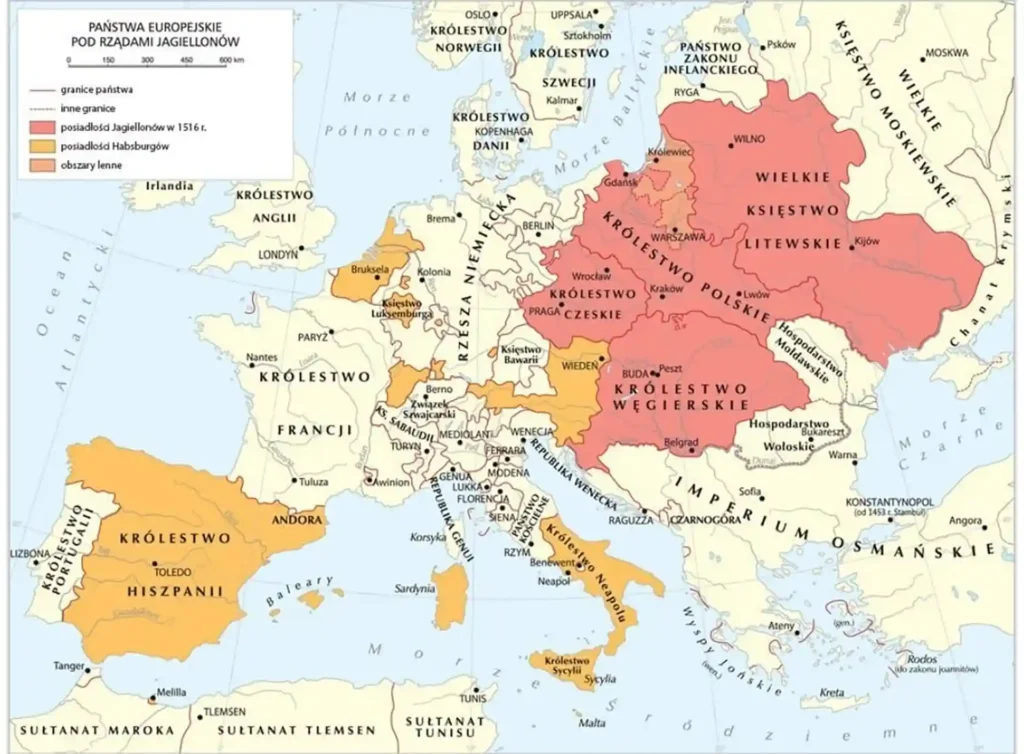
One Empire, Many Nations
Empires, ethnicities, and the long-term formation of nations in the region
Filip Wolański
Professor, Institute of History, University of Wrocław, Wrocław, Poland
Topic 4
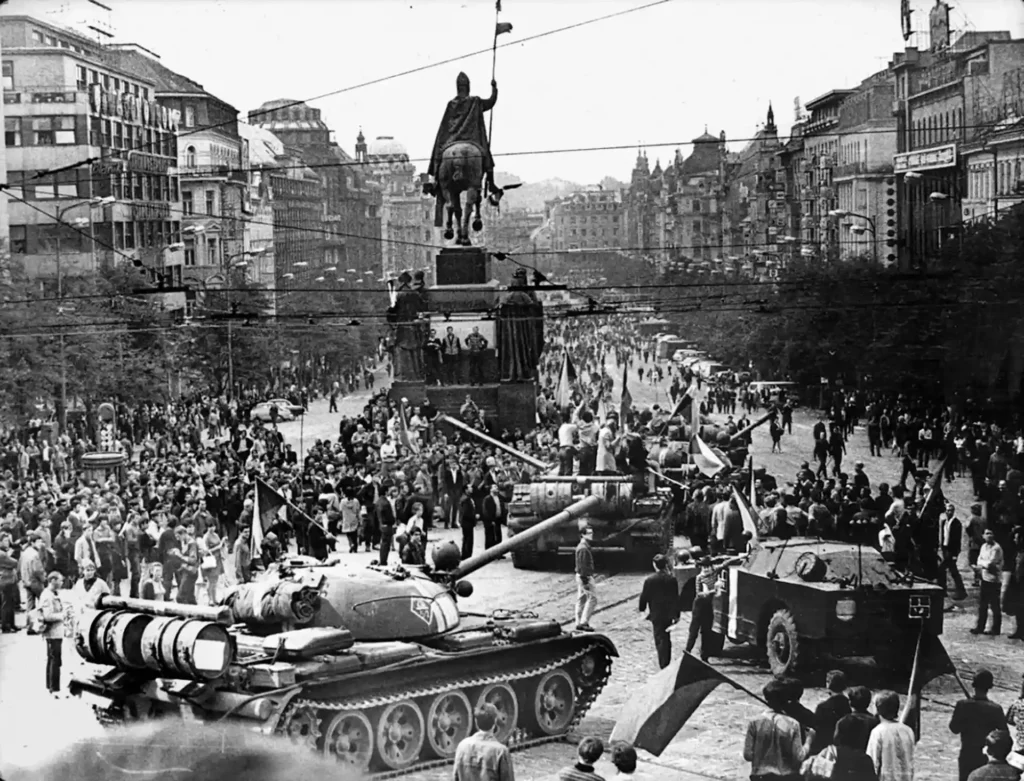
Revolutions, Flags and Reforms
Transformative moments that reshaped Central Europe
Jiří Němec
Associate Professtor, Institute of History, Masaryk University, Brno, Czechia
Topic 5
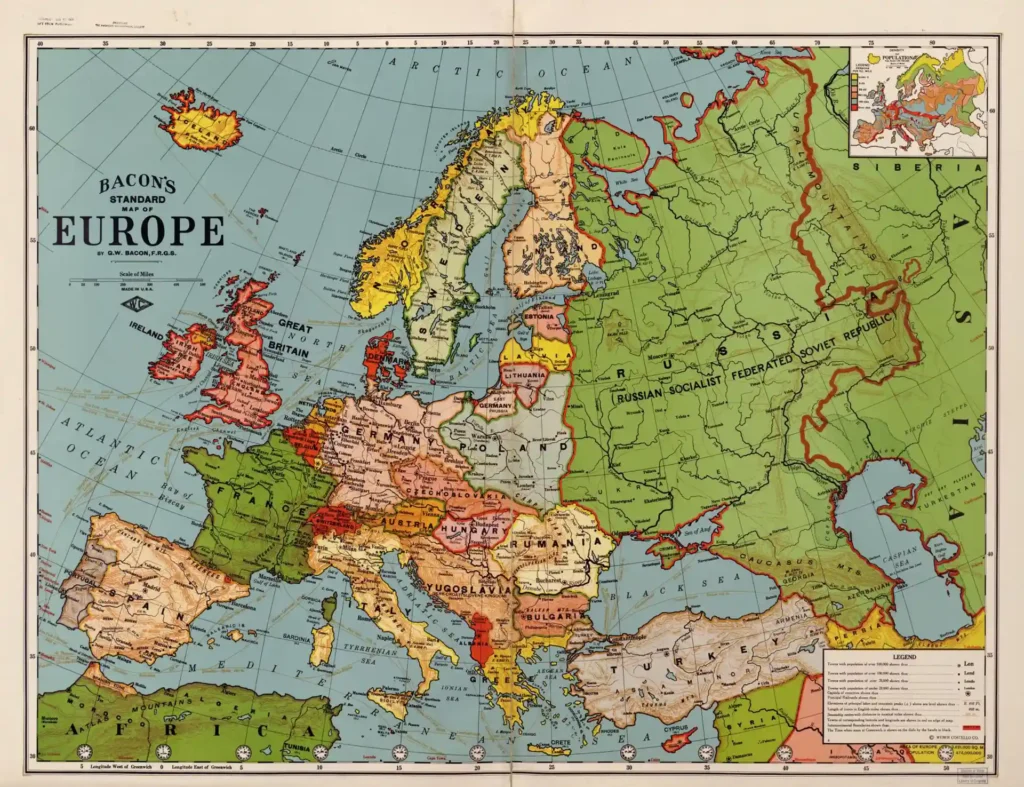
Wars, Borders and Mobility
Wars, migration, and changing borders across the centuries
Barbara Techmańska
Professor, Institute of History, University of Wrocław, Wrocław, Poland
Topic 6
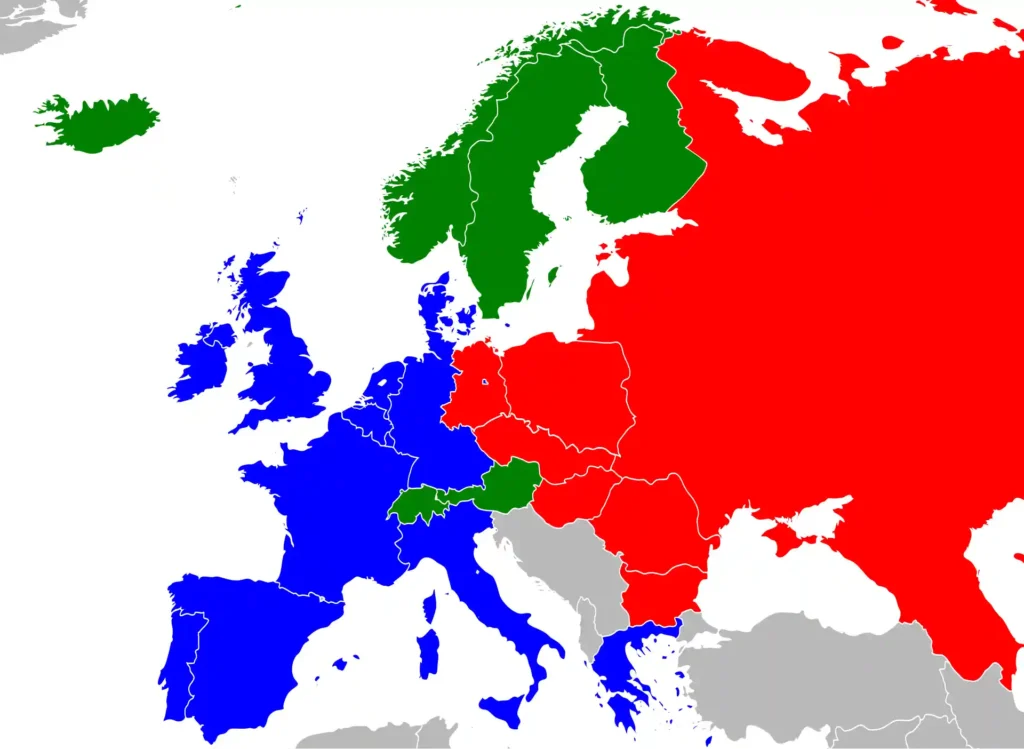
Cooperation and Division
Alliance systems, regional cooperation, and enduring political fault lines.
Bálint Mezei
Assistant Professor, Department of Eastern and Central European History and Historical Russistics, ELTE, Budapest, Hungary
Topic 7
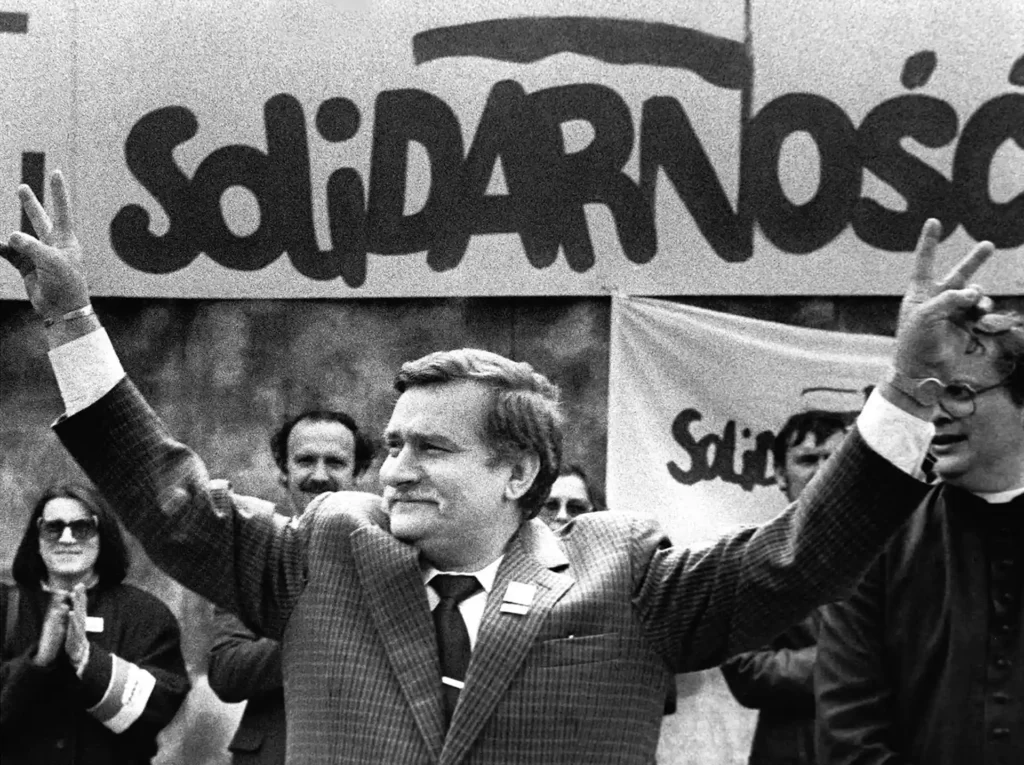
Central Europe Today
Post-1989 transformations: democracy, EU integration, and regional repositioning
Jakub Węglorz
Associate Professtor, Institute of History, University of Wrocław, Wrocław, Poland
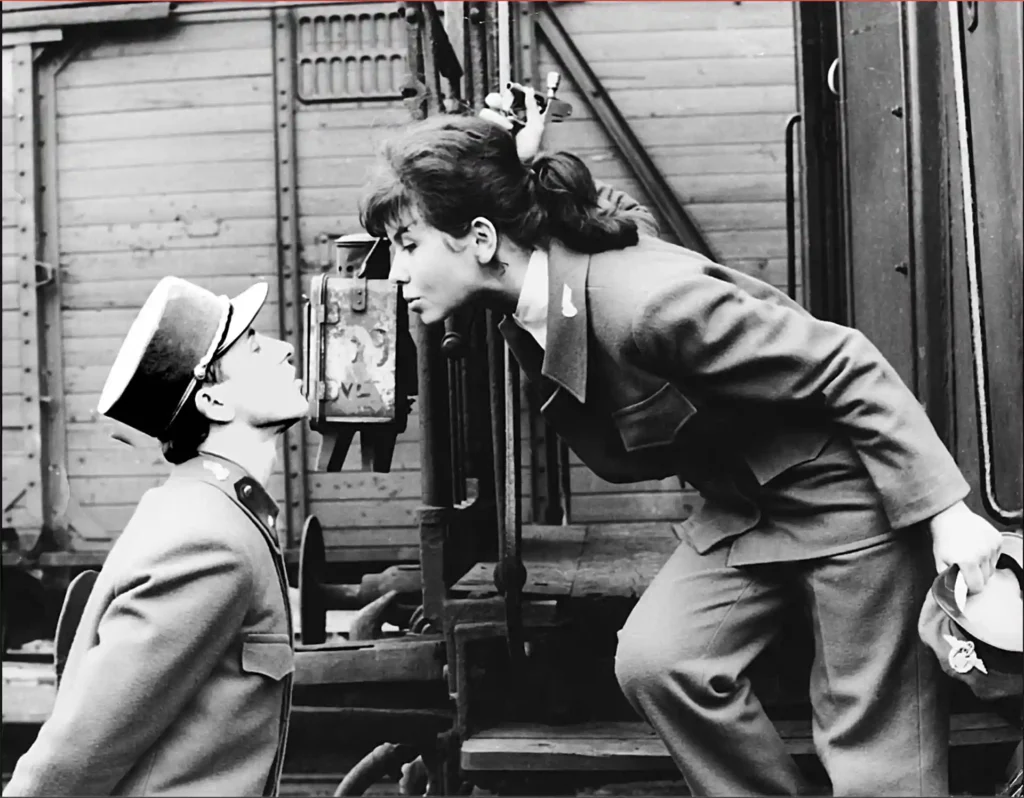
Topic 8
Frontlines of Memory
Memory politics, contested pasts, and symbolic struggles
Andor Mészáros
Associate Professor, Department of Eastern and Central European History and Historical Russistics, ELTE, Budapest, Hungary
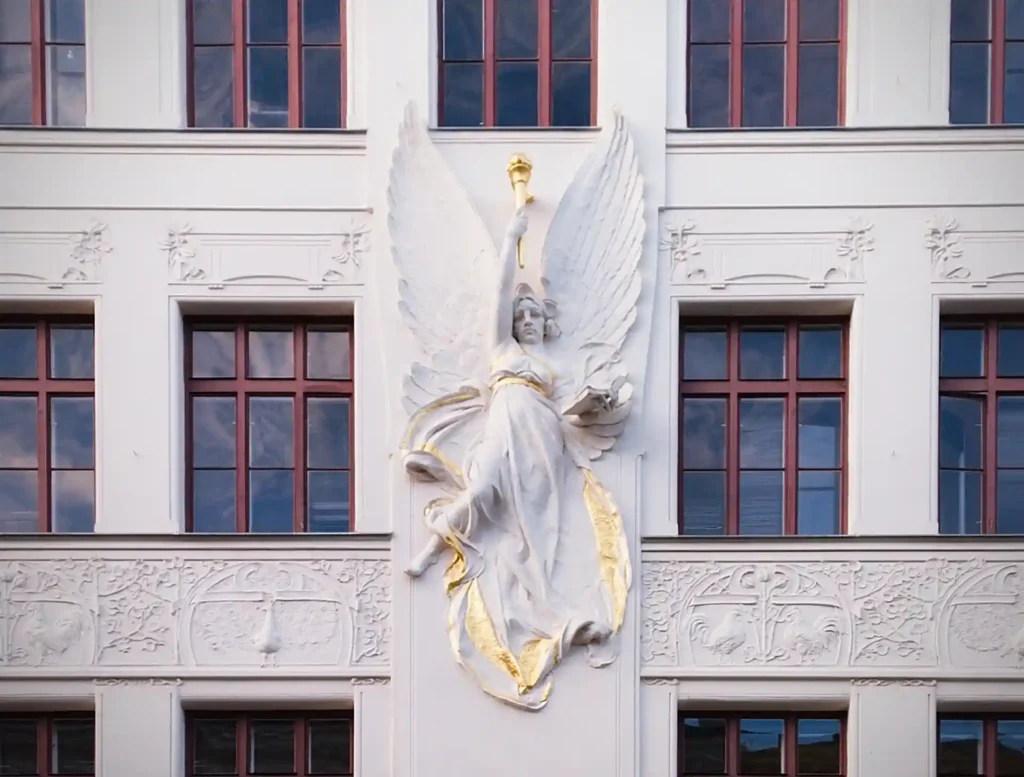
Topic 9
Who Will We Be Tomorrow?
Identity, historical responsibility, and future visions of Central Europe
Denisa Nečasová
Associate Professor, Deputy Director, Institute of History, Masaryk University, Brno, Czechia